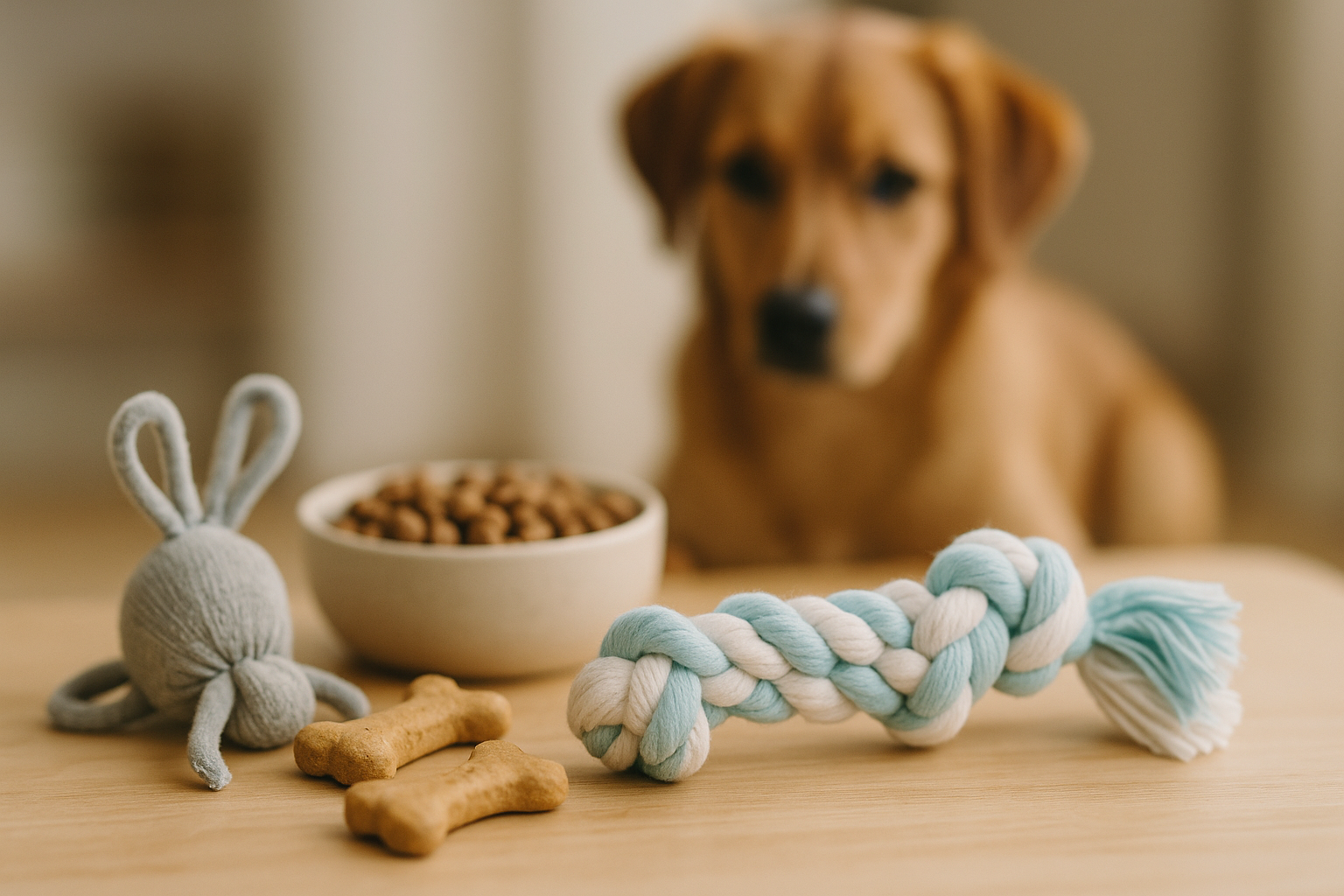
That worn-out tennis ball has seen better days, and your dog’s favorite squeaky toy just met its untimely demise. You could head to the pet store and drop another twenty dollars on toys that might last a week, or you could spend twenty minutes creating something even better from items already hiding in your closets and drawers. The best part? Homemade pet toys often outlast their store-bought counterparts because you control the quality and durability of every material.
Making DIY pet toys isn’t just about saving money. It’s about understanding what your specific pet loves, customizing toys to their play style, and ensuring every component is safe and non-toxic. Whether you have a power chewer who destroys everything or a gentle cat who prefers softer textures, creating toys at home lets you build exactly what works for your furry friend. Plus, if you’re already making healthy homemade treats your dog will actually love, adding DIY toys to your repertoire makes perfect sense.
Why Homemade Pet Toys Make Sense
The pet toy industry thrives on planned obsolescence. Manufacturers know that dogs and cats will destroy toys, so they design products that look appealing on shelves but often fall apart after minimal use. When you make toys yourself, you choose materials based on durability and safety rather than marketing appeal.
Homemade toys also give you complete control over what goes into your pet’s mouth. Store-bought toys sometimes contain questionable materials, loose parts that pose choking hazards, or toxic dyes and chemicals. According to pet safety experts at Petco, many common household items make excellent, safe alternatives when prepared correctly.
Beyond safety and cost savings, the creative process itself becomes enjoyable. You’ll start looking at everyday items differently, seeing potential in old t-shirts, empty bottles, and cardboard boxes. Your pets don’t care about brand names or fancy packaging. They care about interesting textures, engaging sounds, and the joy of interactive play.
Essential Safety Guidelines Before You Start
Before diving into specific toy ideas, understanding basic safety principles is crucial. Not every household item makes a suitable pet toy, and even safe materials can become dangerous when used incorrectly.
First, always supervise initial play sessions with any new DIY toy. Watch how your pet interacts with it, whether they’re trying to eat the materials, and if any parts are coming loose. What works perfectly for one dog might be completely wrong for another, even within the same breed.
Avoid small parts that could become choking hazards. Buttons, beads, rubber bands, and anything smaller than your pet’s throat diameter should never be included in homemade toys. Similarly, string and yarn can cause serious intestinal problems if swallowed, so reserve these materials only for supervised play with cats.
Choose non-toxic materials exclusively. Old clothes work great, but make sure they haven’t been treated with chemicals or moth repellents. Natural fabrics like cotton and fleece are safer choices than synthetic materials that might release harmful substances when chewed. Research from pet care specialists emphasizes checking every material for potential toxicity before crafting begins.
Know your pet’s play style and adjust accordingly. Gentle players can enjoy toys with more delicate construction, while aggressive chewers need reinforced designs with extra-durable materials. A toy perfect for a Chihuahua might last thirty seconds with a German Shepherd.
Simple No-Sew Rope and Fabric Toys
Old t-shirts transform into excellent tug toys with zero sewing skills required. Cut the shirt into long strips about two inches wide, removing any seams, tags, or embellishments. Gather three to five strips depending on desired thickness, tie a knot at one end, braid the strips tightly together, and secure with another knot at the opposite end. Trim excess fabric to prevent fraying.
This basic braided tug toy works beautifully for interactive play sessions and satisfies dogs who love pulling and tugging. For extra durability, use multiple layers of fabric in each strip or incorporate fleece material, which tends to be stronger than regular cotton t-shirts.
Fleece also makes fantastic knotted toys. Cut fleece into long strips, then tie multiple knots along the length, creating an interesting texture that dogs enjoy chomping. The soft material is gentle on teeth and gums while still providing satisfying chewing resistance. You can create various sizes depending on your dog’s breed and preferences.
For cats, fabric strips work differently but equally well. Instead of braiding, cut thin strips and attach them securely to a sturdy stick or dowel rod. Wave this homemade wand toy around, and most cats will go crazy chasing the fluttering fabric. Just remember to put it away after play sessions since unsupervised cats might chew and swallow the strips.
Interactive Puzzle and Treat-Dispensing Toys
Mental stimulation matters just as much as physical exercise for pets, and puzzle toys provide excellent cognitive challenges. A muffin tin becomes an instant puzzle game when you hide treats in the cups and cover them with tennis balls. Your dog has to figure out how to remove the balls to access the rewards, keeping them engaged for extended periods.
Empty plastic bottles make surprisingly effective treat dispensers. Remove the cap and label, ensure the bottle is thoroughly cleaned, and cut a few holes slightly larger than your pet’s kibble or treats. As they roll and bat the bottle around, food occasionally falls out, rewarding their efforts. The crinkling sound adds extra appeal. Always supervise bottle play since determined chewers might bite through plastic and ingest pieces.
Cardboard boxes offer endless entertainment, especially for cats. Cut various sized holes in the sides, hide treats or toys inside, and let your cat’s hunting instincts take over. They’ll spend ages reaching through holes, trying to extract the treasures within. Once the box gets too destroyed, simply recycle it and create a new version. As pet enrichment experts note, these simple puzzles prevent boredom and reduce destructive behaviors.
Tennis balls can be converted into treat holders by carefully cutting a small slit in the side. Squeeze the ball to open the slit, insert treats, and release. Your dog will work to squeeze and manipulate the ball until treats fall out. This works best with semi-soft treats that won’t get stuck inside.
Durable Chew Toys for Power Chewers
Heavy-duty chewers present unique challenges since they destroy most toys within minutes. For these determined dogs, a simple sock toy might not survive, but a reinforced rope toy definitely can. Take three long pieces of thick rope (available at hardware stores), knot them together at one end, braid tightly, and create a secure knot at the other end. The thicker and tighter the braid, the longer it will last.
For added durability, you can wet the completed rope toy and freeze it. Frozen rope toys feel great on teething puppies’ gums and take even longer for adult dogs to shred. The cold also provides soothing relief for sore mouths.
Old denim jeans work exceptionally well for tough chewers because denim fabric is significantly more durable than regular cotton. Cut jeans into strips and create braided or knotted toys using the same techniques as t-shirt toys, but expect much longer lifespan. Multiple layers of denim braided together create an almost indestructible tug toy.
Some power chewers do well with frozen treats embedded in toys. Take a clean, empty yogurt container, fill it with a mixture of water and a small amount of low-sodium broth, add a rope handle by poking holes in the sides, and freeze solid. Your dog gets a long-lasting frozen chew toy that’s completely safe and eventually melts away.
Creative Toys for Cats
Cats have different play preferences than dogs, favoring toys that mimic prey movements and satisfy hunting instincts. A simple paper bag with the handles removed provides hours of entertainment. Cats love hiding inside, pouncing in and out, and the crinkling sounds paper makes. Never use plastic bags, which pose suffocation risks.
Ping pong balls become instant cat toys when tossed into an empty bathtub. The balls bounce erratically off the tub’s surfaces, triggering your cat’s chase response, and they can’t escape under furniture. This setup creates a self-contained play area that keeps cats engaged while you handle other tasks.
Cardboard scratching pads cost pennies to make compared to store-bought versions. Cut corrugated cardboard into strips, roll them tightly together, and secure with non-toxic glue. Place the finished scratcher in a shallow box or tray to catch debris. Sprinkle a bit of catnip on top, and most cats will choose this over your furniture.
Feather toys satisfy cats’ predatory instincts perfectly. If you find clean feathers outdoors or have craft feathers available, attach them securely to a string tied to a stick. Supervise all feather play since cats might try eating them, but during active play sessions, nothing beats the appeal of “catching” a bird.
Maintenance and When to Replace DIY Toys
Homemade toys require regular inspection and maintenance to stay safe. Check fabric toys weekly for loose threads, holes, or weak spots where stuffing might escape. Rope toys should be examined for fraying ends that pets could ingest. Any toy showing significant wear should be repaired or replaced immediately.
Wash fabric and rope toys regularly to prevent bacteria buildup. Most can go in the washing machine on a gentle cycle, then air dry completely before returning them to your pet. Clean plastic bottles and containers with hot soapy water between uses, especially if they’ve held treats.
Even well-made DIY toys have lifespans. When toys become too damaged to repair safely, retire them. The beauty of homemade options is that replacement costs nothing but a bit of time. Keep a small bin of potential toy-making materials so you can quickly create fresh toys when needed.
Rotate toys to maintain interest. Instead of giving your pet access to everything simultaneously, keep some toys stored away and swap them out every few days. This rotation makes old toys feel new again and prevents boredom without constantly creating new items.
Building a Toy-Making Routine
Once you start creating DIY pet toys, you’ll develop favorite designs and discover which materials work best for your specific pets. Keep a designated box for toy-making supplies like old shirts, socks with missing partners, cardboard, and safe containers. When you come across potential materials, toss them in the box for future use.
Set aside time monthly for a small toy-making session. Spend thirty minutes creating two or three new toys to replace worn-out ones or add variety to your pet’s collection. This proactive approach ensures you’re never caught without suitable toys when your pet’s favorite gets destroyed.
Involve kids in the process if you have children. Making pet toys teaches them about pet care, creativity, and resourcefulness. Supervise their work to ensure safety standards are met, but let them contribute ideas and help with age-appropriate tasks like braiding fabric or hiding treats in puzzle toys.
Your pets don’t need expensive store-bought toys to stay happy and entertained. With basic household materials, minimal time investment, and attention to safety, you can create an endless supply of engaging toys perfectly suited to your pet’s preferences. Start with one simple project today, and you’ll quickly see why homemade has become your pet’s new favorite.

Leave a Reply