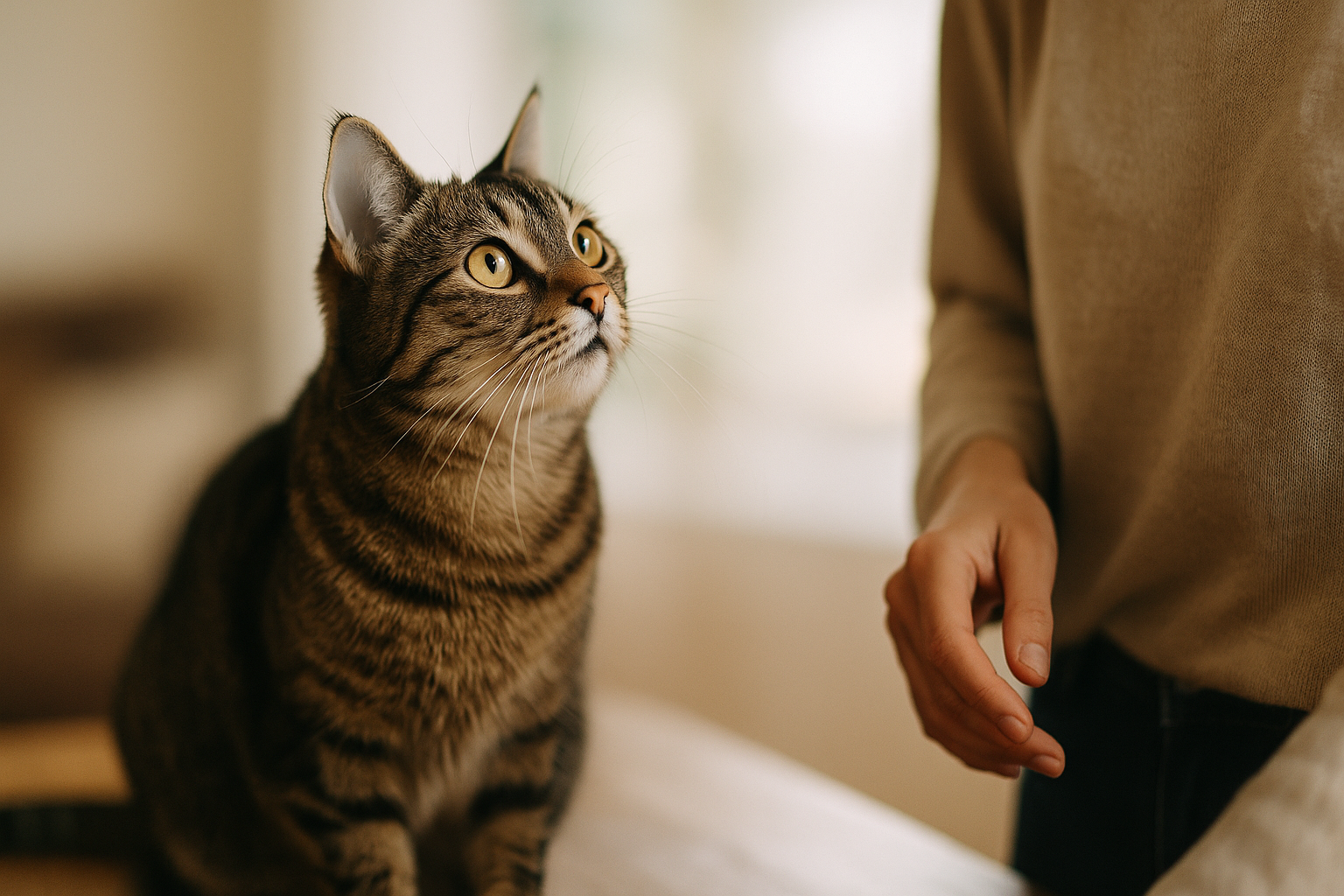
Your cat just knocked over a water glass while staring directly at you. Again. But here’s what most cat owners miss: that wasn’t clumsiness or spite. Your cat was communicating something specific, and you probably didn’t catch the message. Cats are master communicators who use an incredibly nuanced system of body language, vocalizations, and behaviors to tell us exactly what they need. The problem? Most of us have no idea how to decode what they’re saying.
Understanding your cat’s communication attempts transforms your relationship from confusing cohabitation into genuine connection. When you recognize the subtle signals your feline friend sends every day, you’ll respond to their needs faster, prevent behavioral problems before they start, and build the kind of bond that makes cat ownership truly rewarding. According to experts on feline body language, cats use complex combinations of physical cues that reveal their emotional state and intentions.
The Slow Blink: Your Cat’s Version of “I Love You”
When your cat looks at you and slowly closes their eyes, they’re not fighting sleep or showing indifference. This deliberate slow blink is one of the most affectionate gestures in cat communication. In the feline world, closing your eyes near another creature is the ultimate sign of trust because it leaves you vulnerable. When your cat does this to you, they’re essentially saying they feel completely safe and content in your presence.
You can communicate back using the same language. Look at your cat, slowly close your eyes for a second or two, then open them again. Many cats will return the gesture, creating a sweet moment of mutual affection. This simple exchange can strengthen your bond significantly, especially with cats who aren’t particularly cuddly or vocal about their feelings.
If your cat suddenly stops giving you slow blinks, pay attention. This change might indicate they’re stressed, unwell, or something in their environment has shifted. Cats who feel secure and happy in their homes regularly exchange slow blinks with their favorite humans, so the absence of this behavior can be an early warning sign that something needs your attention.
Tail Position Tells the Whole Story
A cat’s tail functions like an emotional barometer, constantly broadcasting their current mood to anyone who knows how to read it. Research on cat communication patterns shows that tail position and movement provide some of the clearest insight into what your cat is feeling and trying to express.
A tail held high with a slight curve at the tip indicates a happy, confident cat who’s pleased to see you. This is the feline equivalent of a cheerful greeting. When your cat approaches you with their tail in this position, they’re essentially waving hello and expressing contentment. You’ll often see this posture when you come home from work or when it’s approaching mealtime.
But watch what happens when that tail starts to puff up like a bottle brush. This dramatic transformation signals fear or aggression. Your cat is trying to appear larger and more intimidating, which means they feel threatened by something in their environment. If you see this, don’t approach or try to comfort them immediately. Instead, identify what’s causing the fear and give your cat space to calm down.
A tail that’s tucked between the legs or wrapped tightly around the body communicates fear, submission, or anxiety. A cat in this posture is telling you they’re uncomfortable and need reassurance or an escape route. Pay attention to what triggered this reaction so you can help your cat avoid similar situations in the future or gradually desensitize them to the trigger.
Excessive Meowing Means Something’s Changed
Adult cats don’t naturally meow at each other. They developed this vocalization specifically to communicate with humans, which makes it even more important to pay attention when the meowing pattern changes. If your normally quiet cat suddenly becomes vocal, or your chatty cat goes silent, they’re sending you a clear message that something in their world has shifted.
Increased meowing can indicate numerous things depending on the context and tone. A cat meowing near their food bowl is obvious, but what about a cat who follows you around meowing constantly? This behavior often signals loneliness, boredom, or a desire for attention. Some cats, particularly vocal breeds like Siamese, simply enjoy “conversation” with their owners. But if this is new behavior, consider whether your cat needs more interactive playtime or environmental enrichment.
Nighttime meowing deserves special attention, especially in older cats. According to veterinary insights on cat behavior, this can indicate cognitive dysfunction, hyperthyroidism, or other medical issues. Cats who suddenly start yowling at night should see a veterinarian to rule out health problems. Younger cats who meow at night might simply have excess energy that needs burning through play sessions before bedtime.
The pitch and tone matter too. A high-pitched, urgent meow signals distress or a strong need. A lower, drawn-out meow might indicate complaint or displeasure. Learning your individual cat’s vocal patterns helps you distinguish between “I’m mildly annoyed the water bowl is half-empty” and “I’m genuinely distressed and need help right now.”
Inappropriate Elimination Isn’t Spite, It’s Communication
When a previously litter-trained cat starts urinating or defecating outside their box, owners often interpret this as revenge or bad behavior. This misunderstanding damages the human-cat relationship and delays addressing the real issue. Cats don’t think in terms of revenge. When they eliminate inappropriately, they’re telling you something is wrong, either medically or environmentally.
Medical issues cause inappropriate elimination more often than people realize. Urinary tract infections, kidney disease, diabetes, and arthritis that makes climbing into the litter box painful can all trigger this behavior. Before assuming it’s behavioral, schedule a veterinary exam. Many cats suffer unnecessarily when owners treat a medical problem as a behavior issue.
If health issues are ruled out, your cat is communicating about their litter box setup or stress levels. Cats are incredibly particular about bathroom facilities. A box that’s too small, too dirty, in a high-traffic area, or filled with scented litter might be unacceptable to your cat. The general rule is one litter box per cat plus one extra, cleaned daily, in quiet locations.
Stress-related inappropriate elimination often appears when something in the household changes. A new pet, a new baby, construction noise, a change in your schedule, or even rearranged furniture can stress some cats enough that they mark territory or avoid the litter box. This behavior is your cat saying they feel insecure and need help adjusting to the change.
Kneading and Purring: Complex Messages Beyond Contentment
Most people know that purring generally indicates a happy cat, but this vocalization is more complex than simple contentment. Cats purr when they’re relaxed and pleased, yes, but they also purr when they’re anxious, in pain, or giving birth. The purr seems to have self-soothing properties, which means a purring cat might actually be telling you they’re stressed or unwell rather than happy.
Context determines the message. A cat purring while curled up in your lap after dinner is almost certainly content. A cat purring at the veterinary clinic is probably self-soothing through anxiety. A cat who suddenly starts purring much more than usual, especially if accompanied by other behavioral changes, might be using purring to manage pain or discomfort. Combined with reduced appetite, lethargy, or hiding, excessive purring warrants a veterinary visit.
Kneading, that rhythmic pushing motion cats make with their paws, typically indicates contentment because it’s a behavior kittens perform while nursing. When your adult cat kneads you, a blanket, or a soft surface, they’re generally expressing comfort and happiness. Some cats knead when they’re preparing to settle down for sleep, essentially fluffing their bed like their wild ancestors would prepare a resting spot.
However, obsessive kneading combined with excessive suckling on blankets or clothing might indicate the cat was weaned too early. This behavior is your cat telling you they have unmet comfort needs. While it’s usually harmless, cats who engage in fabric suckling can occasionally ingest fibers that cause intestinal blockages, so monitor this behavior if it seems excessive.
Changes in Grooming Habits Signal Health or Stress Issues
Cats are meticulous groomers, spending up to 50 percent of their waking hours on hygiene. This consistency makes grooming changes particularly meaningful. A cat who suddenly stops grooming properly is communicating that something prevents them from performing this essential behavior. Obesity, arthritis, dental pain, or illness can all interfere with grooming ability.
A previously sleek cat who develops a matted, greasy, or unkempt coat needs veterinary attention. Older cats particularly struggle with grooming as arthritis makes twisting and reaching difficult. Dental disease causes mouth pain that makes grooming uncomfortable. These cats aren’t being lazy – they’re telling you through their appearance that they need medical help.
On the opposite end, excessive grooming that creates bald patches or skin irritation signals stress, allergies, parasites, or skin conditions. Psychogenic alopecia, or stress-induced overgrooming, often appears along the belly, inner thighs, or flanks. This behavior is your cat’s way of coping with anxiety, similar to how some humans bite their nails when stressed.
If you notice your cat obsessively licking or chewing at their fur, first rule out medical causes like fleas, food allergies, or skin infections. Once physical causes are eliminated, examine your cat’s environment for stressors. Changes in household routine, conflicts with other pets, or insufficient environmental enrichment can all trigger stress-grooming. Your cat is literally trying to lick away their anxiety, which tells you they need help managing stress more effectively.
Bringing You “Gifts” Shows Trust and Hunting Instinct
The dead mouse on your doorstep isn’t the horror show it seems. When your cat brings you prey, whether it’s an actual mouse, a toy, or even a sock, they’re communicating something important about your relationship. This behavior combines hunting instinct with social bonding in a way that demonstrates your cat views you as part of their family group.
Mother cats bring prey to their kittens to teach hunting skills. When your cat brings you gifts, they might be attempting to teach you to hunt (because clearly you’re terrible at it, given that you never bring home mice). Alternatively, they’re sharing resources with a valued family member. Either interpretation demonstrates that your cat considers you important enough to include in their provisioning behavior.
Cats who bring you toys and meow often want to engage in interactive play. This is particularly common in the early morning when cats experience a natural energy surge tied to their crepuscular hunting instincts. Your cat is telling you it’s time to hunt, and they want you as their hunting partner. Engaging in these play sessions, even briefly, strengthens your bond and helps burn off excess energy that might otherwise go into destructive behaviors.
Some cats bring gifts and then seem disappointed when you don’t eat them. While this seems absurd, remember that your cat’s instincts don’t account for human dietary preferences. A simple “thank you” acknowledgment, perhaps followed by proper disposal when they’re not watching, respects the gesture without encouraging more hunting. If you want to reduce actual prey gifts, keeping your cat indoors protects both your cat and local wildlife.
Building Better Communication With Your Cat
Understanding these seven signs transforms how you interact with your cat, but communication is a two-way process. Just as you’re learning to read your cat’s signals, you can teach your cat to understand yours more clearly through consistency and positive reinforcement. Use the same words for specific activities – “dinner,” “play,” “bedtime” – and your cat will learn these verbal cues surprisingly quickly.
Pay attention to the timing of your cat’s communications. Many behaviors follow patterns related to feeding times, your schedule, or environmental triggers. A cat who becomes vocal every evening at 8 PM might be telling you that’s when they expect playtime. Meeting these needs proactively often reduces attention-seeking behaviors because your cat no longer needs to remind you.
Create an environment that reduces the need for stress-based communication. Multiple litter boxes, vertical territory like cat trees, scratching posts, hiding spots, and regular interactive play address most cats’ basic needs. When these needs are consistently met, cats spend less energy trying to communicate problems and more energy simply enjoying life with you.
The most important thing to remember is that every communication attempt from your cat deserves acknowledgment, even if you can’t immediately meet the need. A cat who meows for attention and gets completely ignored learns that communication doesn’t work, which can lead to either giving up (creating a withdrawn cat) or escalating to more dramatic behaviors. Even a simple “I hear you, buddy” while you finish what you’re doing validates your cat’s attempt to connect and maintains the communication channel between you.

Leave a Reply