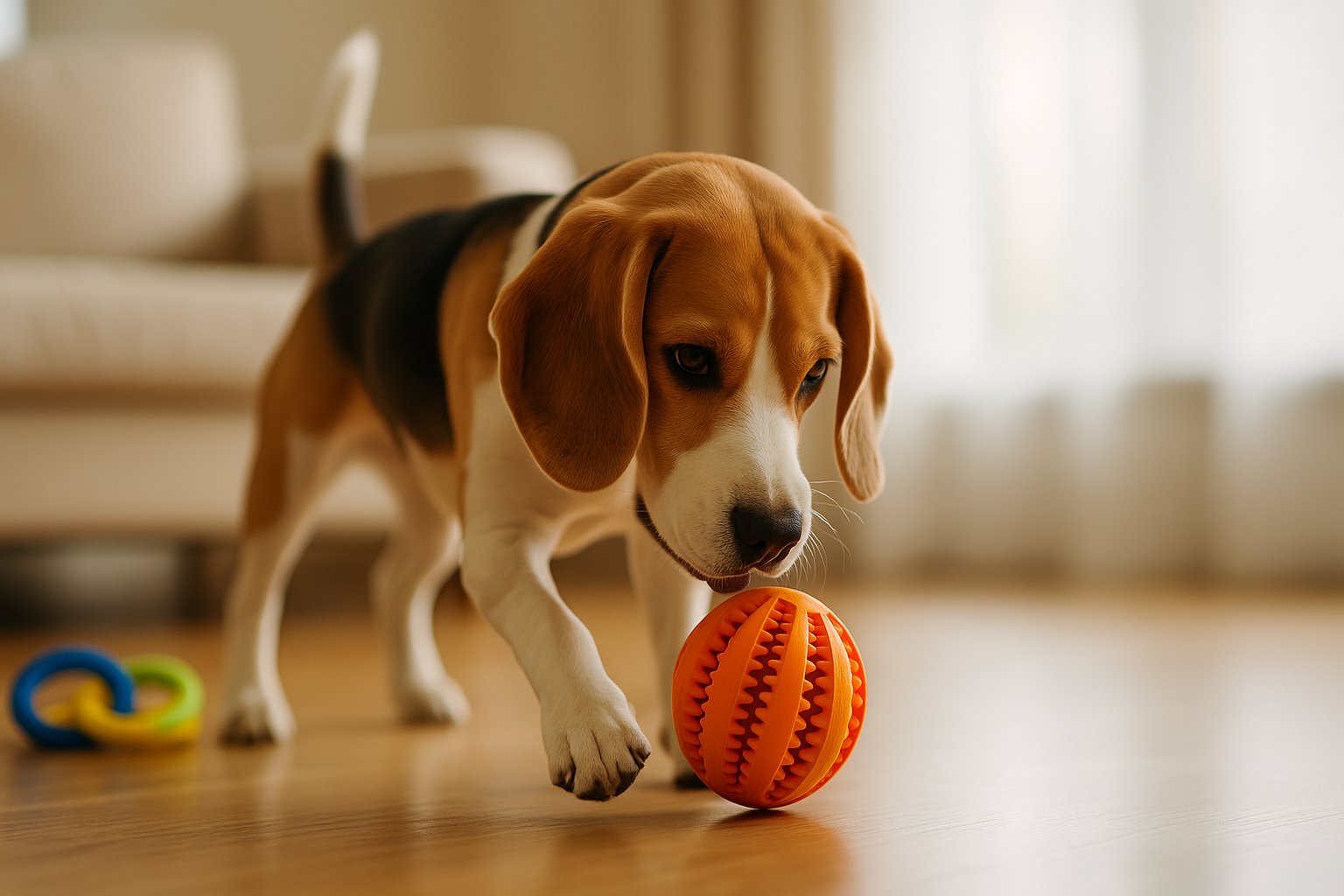
Your dog is staring at you from across the living room with those pleading eyes, tail wagging hopefully. It’s pouring rain outside, or maybe it’s too hot for a long walk, and you know your energetic pup needs something to do before they start redecorating your couch cushions. Indoor games aren’t just rainy day backup plans – they’re essential tools for keeping your dog mentally stimulated, physically active, and genuinely happy regardless of weather conditions.
The best part? You don’t need expensive equipment or a massive space to tire out even the most energetic dogs. With creativity and consistency, your living room can become an engaging playground that challenges your dog’s mind and body. These indoor activities will help you build a stronger bond with your furry friend while preventing the destructive behaviors that emerge from boredom and pent-up energy.
Why Indoor Exercise Matters More Than You Think
Many dog owners underestimate the importance of indoor activities, viewing them as poor substitutes for outdoor exercise. The reality is quite different. According to research on canine exercise and enrichment, mental stimulation can tire out a dog just as effectively as physical activity – sometimes even more so.
Think about how exhausted you feel after intense mental work compared to a leisurely walk. Your dog experiences the same phenomenon. A 15-minute session of challenging puzzle games or scent work can leave your dog more satisfied than a 30-minute neighborhood stroll. This is especially valuable for high-energy breeds, senior dogs with mobility limitations, or puppies who haven’t completed their vaccination series yet.
Indoor games also provide crucial mental enrichment that outdoor walks alone can’t offer. While walks stimulate your dog’s senses through environmental exposure, structured indoor activities engage their problem-solving abilities, impulse control, and learning capacity. This cognitive engagement helps prevent anxiety, reduces destructive behaviors, and keeps your dog’s mind sharp as they age.
Hide and Seek: The Ultimate Bonding Game
Hide and seek isn’t just for kids – it’s one of the most effective indoor games for strengthening your bond with your dog while exercising their natural hunting instincts. Start simple by having your dog stay in one room while you hide in an obvious spot nearby. Call their name enthusiastically and reward them with treats and praise when they find you.
As your dog masters the basics, increase the difficulty. Hide in closets, behind doors, or even in the bathtub. For dogs who struggle with the “stay” command, recruit a family member to gently hold them while you hide. The excitement in your dog’s eyes when they finally discover your hiding spot makes this game endlessly rewarding for both of you.
You can also reverse the game by hiding treats or favorite toys instead of yourself. This variation taps into your dog’s scent-tracking abilities and can keep them occupied for extended periods. Start by letting them see where you’re placing the items, then gradually make the hiding spots more challenging as they understand the game.
Advanced Hide and Seek Variations
Once your dog becomes a hide-and-seek expert, try these advanced versions. Create a scent trail by dragging a treat along the floor leading to your hiding spot, teaching your dog to follow their nose methodically. Or play “find the family member,” where different people hide throughout the house and your dog must locate each person in sequence. These variations add complexity that keeps the game engaging even for veteran players.
Interactive Puzzle Toys and Food Dispensers
Puzzle toys transform mealtime into an engaging mental workout. Instead of gulping down food from a bowl in 30 seconds, your dog spends 10-20 minutes problem-solving to access their meal. This slower eating pace improves digestion while providing the mental stimulation that prevents boredom-related behaviors.
Start with beginner-level puzzles that require simple actions like lifting flaps or sliding compartments. As highlighted by canine enrichment experts, gradually increasing difficulty keeps dogs engaged and prevents frustration. Watch your dog’s body language – if they seem stressed or give up quickly, the puzzle might be too advanced.
You don’t need to buy expensive commercial puzzles either. DIY options work wonderfully. Place treats inside a muffin tin and cover each cup with tennis balls. Hide kibble in a folded towel that your dog must unroll. Put treats inside a cardboard box filled with crumpled paper. These homemade puzzles provide the same mental challenge at a fraction of the cost.
Rotate puzzle toys regularly to maintain your dog’s interest. What seems exciting on Monday becomes routine by Friday. Keep a collection of different puzzles and rotate them weekly, so each one feels fresh and engaging when it reappears.
Tug-of-War: Building Strength and Impulse Control
Contrary to outdated training myths, tug-of-war doesn’t make dogs aggressive – when played correctly, it actually teaches excellent impulse control while providing intense physical exercise in a small space. The key is establishing clear rules that you enforce consistently during every play session.
Choose a sturdy rope toy designated specifically for tug games. Before starting, teach your dog a reliable “drop it” or “release” command. Begin each tug session only when your dog is calm, never when they’re already overstimulated. If their teeth touch your hand during play, immediately stop the game and walk away for a minute. This teaches your dog to be careful with their mouth.
Let your dog win sometimes – it’s not about dominance, it’s about fun. Winning occasionally keeps them engaged and builds confidence. However, you control when the game starts and stops. If your dog gets too excited, ask for a “sit” before resuming play. This enforces the concept that calm behavior earns fun activities.
For smaller living spaces, tug-of-war provides remarkable exercise value. A vigorous five-minute tug session can tire out medium to large dogs significantly, making it perfect for apartment dwellers or days when outdoor exercise isn’t possible.
The Shell Game and Other Scent Work Activities
The shell game – hiding a treat under one of three cups and letting your dog find it – seems simple but engages your dog’s scent tracking, memory, and problem-solving abilities simultaneously. Start by letting your dog watch you place the treat, then slowly shuffle the cups while they watch. Most dogs quickly understand the objective.
As they improve, make it more challenging. Shuffle faster, use more cups, or don’t let them watch the initial placement. Some dogs learn to track the cup with their eyes, while others rely purely on scent. Both approaches work, and you’ll discover fascinating insights about how your individual dog processes information.
Expand into broader scent work by teaching your dog to find specific scented items. Professional trainers recommend scent work as one of the most mentally exhausting activities for dogs. Start with a strong-smelling treat, then progress to finding items scented with essential oils (use dog-safe scents like lavender or chamomile).
Create a scent discrimination game by placing several identical containers in a row, with treats hidden in only one or two. Your dog must use their nose to determine which containers hold rewards. This mimics professional detection work and taps into abilities that all dogs possess, regardless of breed.
Indoor Fetch and Hallway Sprints
Yes, you can play fetch indoors – with some modifications. Use soft toys that won’t damage walls or furniture. Foam balls, plush toys, or specifically designed indoor fetch toys work perfectly. If you have a hallway, it creates a natural fetch corridor that contains the action and prevents your dog from crashing into furniture.
Staircase fetch provides an extra workout bonus. Toss a toy up or down the stairs and let your dog retrieve it. The climbing motion engages different muscle groups than flat-surface running, providing a more complete workout. Just ensure your dog descends stairs carefully to protect their joints, especially for larger breeds prone to hip issues.
For dogs who don’t naturally retrieve, teach the behavior in steps. Start by rewarding any interest in the toy. Then reward picking it up. Eventually reward bringing it toward you. Many dogs who “don’t fetch” simply never learned the complete behavior chain. Breaking it into small steps helps them understand what you’re asking.
Create variations to prevent boredom. Throw two toys in different directions and see which one your dog chooses. Hide the toy and let them search before the retrieve. Ask for a trick before each throw. These modifications keep the game mentally engaging beyond simple physical repetition.
Training Games That Exercise Mind and Body
Every training session doubles as an indoor game when approached with the right mindset. Teaching new tricks provides mental stimulation that genuinely exhausts dogs. A 20-minute training session can leave your dog more tired than an hour-long walk because learning requires intense concentration and mental processing.
Work on fun, practical tricks like “spin,” “bow,” “play dead,” or “back up.” Each new behavior challenges your dog’s body awareness and coordination while strengthening your communication. Break complex tricks into tiny steps and celebrate small victories – this keeps both you and your dog motivated.
Create obstacle courses using household items. Have your dog weave between chair legs, jump over broomsticks placed on low boxes, crawl under tables, and balance on cushions. This homemade agility course provides physical exercise while requiring your dog to think about body positioning and follow sequential instructions.
Play “101 things to do with a box” – a creativity game where you reward your dog for any interaction with a cardboard box. Some dogs will paw it, others will push it with their nose, climb inside, or pick it up. This free-shaping exercise teaches dogs to experiment and problem-solve independently, building confidence and mental flexibility.
Creating a Sustainable Indoor Exercise Routine
The most effective indoor exercise program isn’t about marathon play sessions – it’s about consistency and variety. Aim for three to four short activity sessions throughout the day rather than one exhausting marathon. This approach better matches your dog’s natural energy patterns and prevents overstimulation.
Build a rotation schedule featuring different game types. Monday might focus on scent work, Tuesday on puzzle toys and training, Wednesday on physical games like tug and fetch. This variety prevents both you and your dog from getting bored while ensuring all aspects of their development receive attention.
Pay attention to your individual dog’s preferences and energy levels. Some dogs thrive on high-energy games, while others prefer slower-paced mental challenges. Senior dogs need gentler activities that accommodate physical limitations, while puppies require frequent, short sessions with lots of rest between. Just like maintaining your own energy with nutritious homemade treats, tailoring activities to your dog’s needs ensures long-term success.
Track what works by keeping a simple log. Note which games your dog enjoys most, how long they stay engaged, and how tired they seem afterward. This data helps you optimize your indoor exercise program over time, creating a customized routine that perfectly matches your dog’s unique personality and needs.
Remember that indoor games complement rather than replace outdoor exercise. Dogs still need fresh air, environmental stimulation, and opportunities to explore. Indoor activities fill the gaps – rainy days, extreme temperatures, busy schedules, or times when your dog needs extra mental stimulation beyond their daily walk. By mastering these indoor games, you ensure your dog stays active, engaged, and happy regardless of circumstances. The investment you make in learning these activities pays dividends in your dog’s physical health, mental wellness, and the strengthened bond you’ll build through consistent, positive interaction.
Leave a Reply