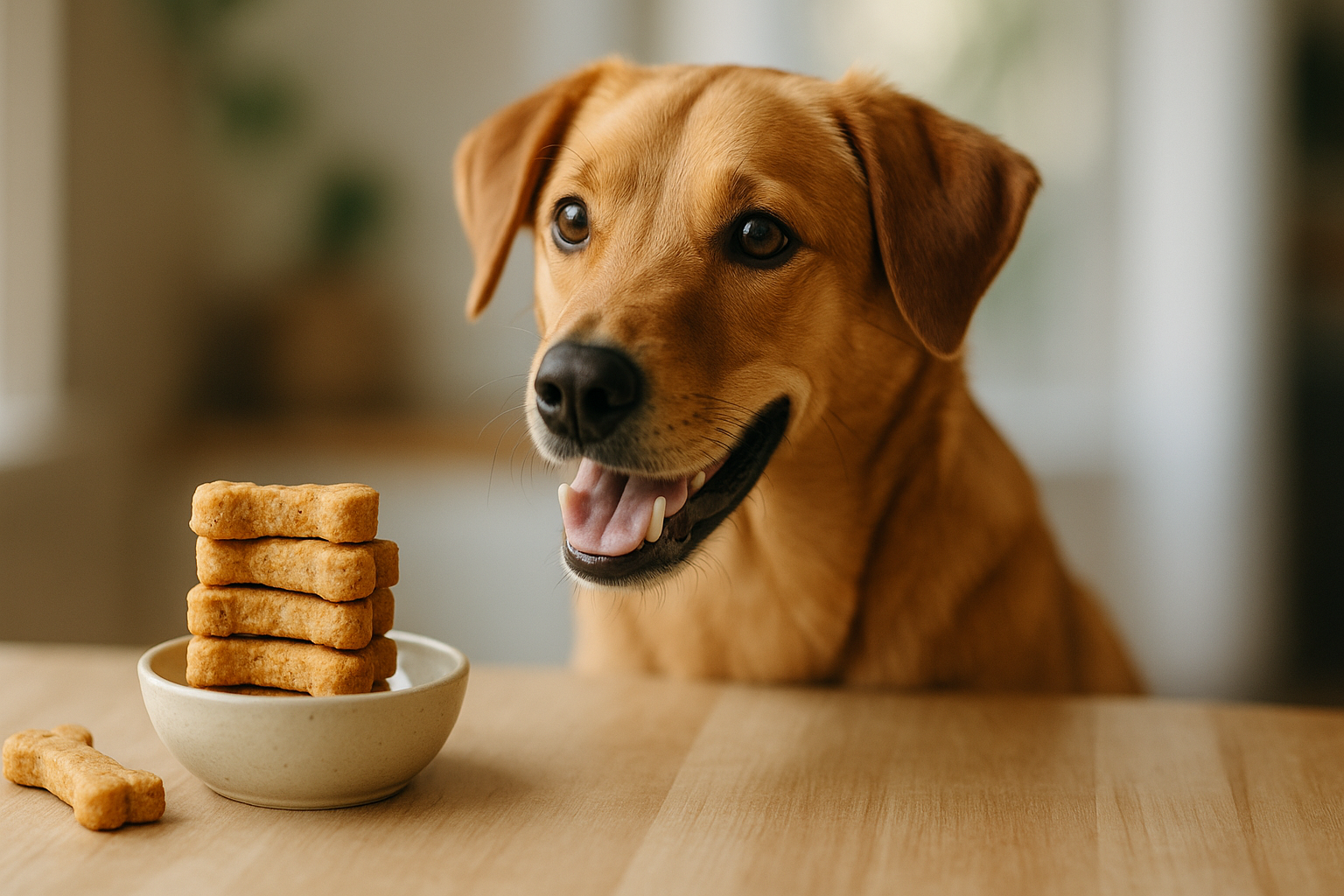
Your dog’s tail starts wagging the moment you reach for the treat jar, but then you flip it over and read the ingredient list. Corn syrup, artificial colors, mysterious meat by-products, and a dozen unpronounceable chemicals stare back at you. The treats that bring your pup so much joy are packed with ingredients you’d never knowingly feed your best friend. Here’s the good news: making healthy, delicious dog treats at home is surprisingly simple, requires ingredients you probably already have, and gives you complete control over what goes into your dog’s body.
Homemade dog treats aren’t just healthier than most store-bought options. They’re also more affordable, can be customized for your dog’s specific dietary needs or allergies, and create an opportunity to bond with your pet through the joy of cooking. Whether you’re dealing with a picky eater, a dog with food sensitivities, or simply want to provide better nutrition, these vet-friendly recipes will transform treat time into something you can feel genuinely good about.
Why Homemade Treats Make a Real Difference
The pet food industry isn’t as tightly regulated as human food production, which means manufacturers can include fillers, preservatives, and low-quality ingredients that offer little nutritional value. Many commercial treats are essentially junk food for dogs, loaded with salt, sugar, and artificial flavors designed to create that addictive crunch dogs love. The problem intensifies when you consider that treats shouldn’t make up more than 10% of your dog’s daily caloric intake, yet many store-bought options pack as many calories as a small meal.
When you make treats at home, you eliminate the guesswork. You know exactly what goes into each batch, can adjust recipes for dogs with allergies or sensitivities, and can control portion sizes to support healthy weight management. Veterinary experts on homemade dog treats emphasize that whole-food ingredients like sweet potato, pumpkin, and lean proteins provide genuine nutritional benefits rather than empty calories. Plus, the cost savings add up quickly when a single batch of homemade treats costs less than one small bag of premium store-bought options.
Essential Ingredients Your Dog Will Love
Before diving into specific recipes, understanding which ingredients deliver both nutrition and flavor helps you create treats your dog will actually get excited about. The foundation of most successful homemade dog treats starts with whole grain flours like oat flour or whole wheat flour, which provide fiber and help bind ingredients together. If your dog has grain sensitivities, coconut flour or chickpea flour work beautifully as alternatives.
Protein sources like unsalted peanut butter (always check that it doesn’t contain xylitol, which is toxic to dogs), plain Greek yogurt, eggs, and lean meats add flavor and nutritional value. Sweet potatoes and pumpkin are superstar ingredients in the dog treat world because they’re packed with vitamins, naturally sweet, and support digestive health. Carrots, apples (without seeds), blueberries, and bananas round out the produce options, offering antioxidants and natural sweetness without added sugars.
According to nutritional guidelines for homemade dog treats, the key is balancing these ingredients to create treats that complement rather than replace your dog’s regular meals. Avoid anything toxic to dogs including chocolate, grapes, raisins, onions, garlic, macadamia nuts, and anything containing xylitol or excessive salt.
Simple No-Bake Frozen Treats
When summer temperatures soar or you need a quick reward option, frozen treats provide instant gratification without heating up your kitchen. The simplest version combines plain Greek yogurt with mashed banana and a spoonful of peanut butter. Mix thoroughly, pour into ice cube trays or silicone molds, and freeze for at least four hours. These protein-packed frozen bites offer probiotics from the yogurt alongside potassium from the banana.
For dogs who need extra hydration encouragement, create frozen broth cubes using low-sodium chicken or beef broth. Pour the broth into ice cube trays, add a small piece of cooked chicken or a few blueberries to each cube, and freeze. These become especially valuable during hot weather or for dogs recovering from illness who need fluid intake support.
Another crowd-pleaser mixes pureed pumpkin with a small amount of unsweetened applesauce and a sprinkle of cinnamon (dogs can safely enjoy cinnamon in small amounts). This combination supports digestive health while delivering a flavor profile most dogs find irresistible. Freeze in small portions appropriate to your dog’s size. A Chihuahua needs much smaller servings than a Golden Retriever, so adjust mold sizes accordingly.
Classic Baked Biscuits and Crunchy Treats
Baked treats offer that satisfying crunch dogs love while lasting much longer than frozen options. A basic recipe starts with two cups of whole wheat flour, one egg, half a cup of canned pumpkin (not pumpkin pie filling), and two tablespoons of peanut butter. Mix ingredients until a dough forms, roll to about quarter-inch thickness, and cut into shapes using cookie cutters or a knife. Bake at 350 degrees Fahrenheit for approximately 20-25 minutes until golden and firm.
The beauty of this base recipe lies in its versatility. Substitute sweet potato puree for pumpkin, add shredded carrots or apples for extra nutrition, or mix in a tablespoon of ground flaxseed for omega-3 fatty acids. For dogs who prefer softer textures, reduce baking time by five minutes. For maximum crunch that helps clean teeth, bake a bit longer and let treats cool completely in the turned-off oven.
As noted by pet health experts on DIY treats, proper storage extends the life of your homemade creations. Store baked treats in airtight containers at room temperature for up to one week, refrigerate for two weeks, or freeze for up to three months. Label containers with preparation dates to track freshness.
Grain-Free and Allergy-Friendly Options
Dogs with grain sensitivities or allergies need special consideration, but that doesn’t mean sacrificing flavor or variety. Coconut flour creates wonderfully textured treats when combined with moisture-rich ingredients. Try mixing three-quarters cup coconut flour with half a cup of unsweetened applesauce, two eggs, and two tablespoons of coconut oil. The resulting dough produces slightly crumbly but delicious treats that even grain-tolerant dogs enjoy.
For protein-focused, nearly carb-free options, dehydrated meat treats work exceptionally well. Slice lean chicken breast, turkey, or beef into thin strips, arrange on parchment-lined baking sheets, and bake at the lowest oven temperature (usually around 170-200 degrees Fahrenheit) for two to three hours until completely dried. These treats store well and provide pure protein without fillers, perfect for training sessions when you need frequent small rewards.
Sweet potato chews offer another grain-free alternative that doubles as a long-lasting chew toy for smaller dogs. Slice sweet potatoes into quarter-inch rounds or strips, place on baking sheets, and bake at 250 degrees Fahrenheit for about three hours, flipping halfway through. The result is a chewy, naturally sweet treat packed with vitamins A and C. Larger, thicker slices create longer-lasting chews for determined chewers.
Treats That Support Specific Health Goals
Homemade treats can do more than satisfy cravings. They can actively support your dog’s health when made with purposeful ingredient combinations. For dogs with joint issues or senior dogs needing extra support, incorporate ingredients rich in glucosamine and anti-inflammatory properties. Bone broth made from slow-cooked chicken or beef bones provides natural glucosamine while adding incredible flavor to any treat recipe.
Dogs struggling with anxiety or stress benefit from treats containing ingredients that promote calmness. Chamomile tea (cooled completely) can replace water in biscuit recipes, and small amounts of cooked oatmeal provide tryptophan, which supports serotonin production. These won’t replace veterinary anxiety treatment, but they create a gentle, supportive addition to your dog’s diet.
For dental health, crunchy treats made with parsley help freshen breath naturally. Mix two cups oat flour with half a cup of fresh parsley (finely chopped), one egg, and enough water to form a stiff dough. Roll thin for maximum crunch and bake until very firm. The mechanical action of chewing combined with parsley’s natural deodorizing properties creates a functional treat that serves multiple purposes.
Sizing, Storing, and Serving Guidelines
Even healthy treats can contribute to weight gain if portions aren’t appropriate for your dog’s size and activity level. A good rule establishes that treats should comprise no more than 10% of daily caloric intake. For a 50-pound moderately active dog consuming roughly 1,000 calories daily, that means treats should total no more than 100 calories per day. Small homemade biscuits typically contain 20-30 calories each, so three to four treats would max out the daily allowance.
Storage practices directly impact both safety and palatability. Baked treats without preservatives last about one week at room temperature in airtight containers. Refrigeration extends this to two weeks, while freezing preserves treats for up to three months. Frozen treats should be consumed within one month for best quality, though they remain safe longer. Always check for mold, off-smells, or changes in texture before feeding stored treats.
Consider your serving method too. Use treats as training rewards, stuff them into puzzle toys to provide mental stimulation, or crumble over regular meals to encourage picky eaters. Breaking larger treats into smaller pieces during training sessions makes portions last longer and prevents overfeeding. Some dogs do best with scheduled treat times rather than random throughout the day, helping maintain consistent meal routines and prevent begging behaviors.
Making Treat Time a Bonding Experience
The process of creating homemade treats offers unexpected opportunities to deepen your connection with your dog. Many dogs love being in the kitchen while you cook, and the anticipation of fresh treats creates genuine excitement. Let the aroma of baking biscuits or the sound of the blender mixing frozen ingredients become part of your routine together. Your dog will learn to associate these sensory cues with something positive you’re creating specifically for them.
Involve your dog safely by allowing them to “help” clean mixing bowls after you’ve removed the mixture (as long as ingredients are dog-safe), or let them watch through a baby gate while treats bake. The waiting builds anticipation, and presenting that first warm-from-the-oven biscuit creates a moment of shared joy. These small rituals strengthen your bond while reinforcing positive associations with you as the provider of good things.
Creating homemade treats transforms from a kitchen task into an act of love and care. You’re not just saving money or avoiding questionable ingredients. You’re taking active responsibility for your dog’s nutrition, customizing treats to their unique needs and preferences, and creating something with your own hands that brings them happiness. That wagging tail and excited dance when you pull out a fresh batch confirms you’re doing something meaningful for your best friend’s health and happiness.

Leave a Reply