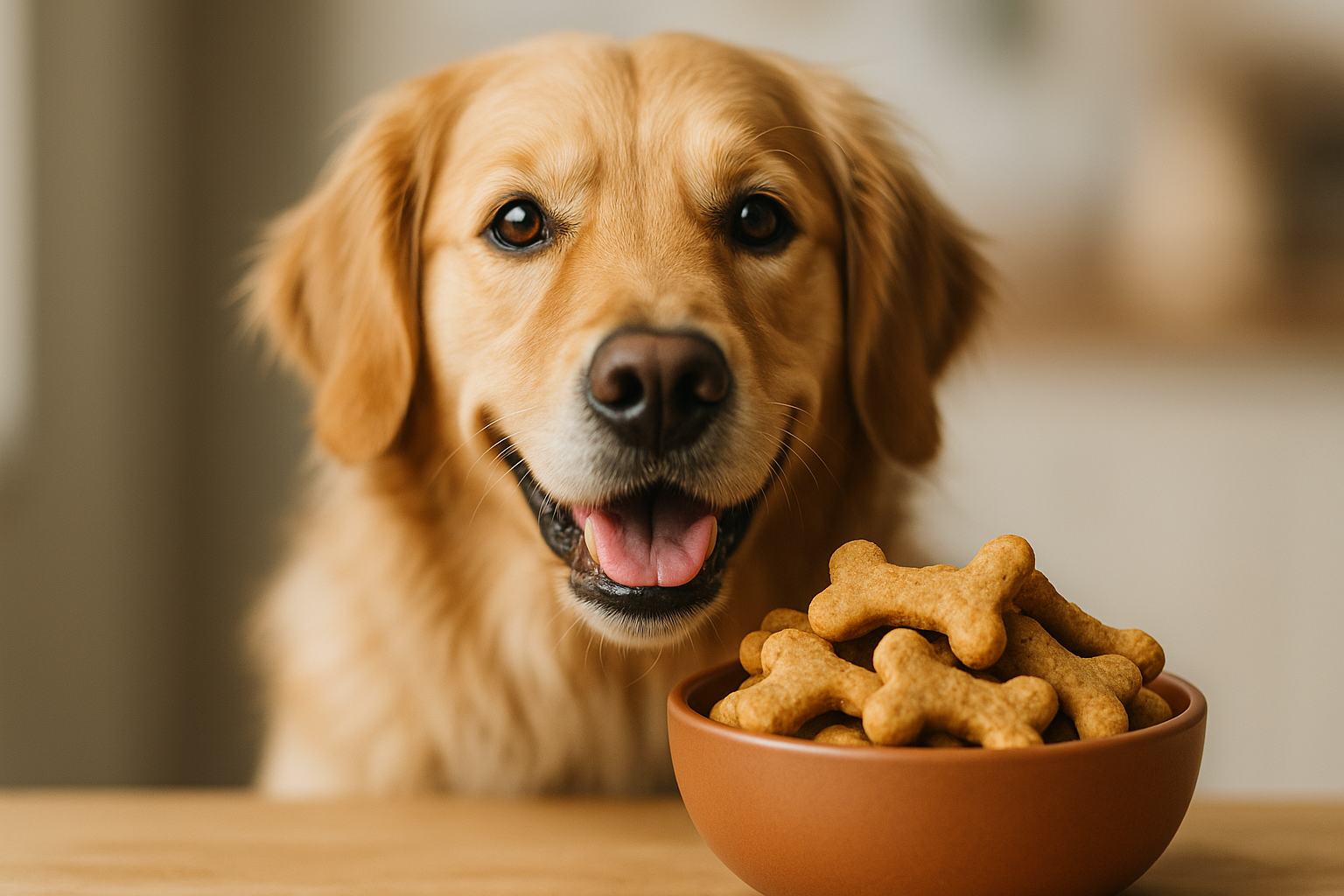
Your dog’s tail wags like helicopter blades when you pull out store-bought treats, but have you checked what’s actually in those colorful packages? Most commercial dog treats read like a chemistry experiment, packed with preservatives, artificial flavors, and mystery meat byproducts. The good news? Making homemade dog treats is easier than baking cookies, costs less than premium store brands, and lets you control exactly what goes into your dog’s mouth.
Homemade treats aren’t just healthier – they’re a game-changer for dogs with allergies, sensitive stomachs, or picky eating habits. Whether you have a tiny Chihuahua or a Great Dane who thinks he’s still tiny, these vet-approved recipes deliver tail-wagging flavor without questionable ingredients. Plus, the smell of freshly baked dog treats will make you the most popular person in your household (yes, even more popular than the mail carrier).
Why Homemade Beats Store-Bought Every Time
Walk down any pet store aisle and you’ll face walls of treat options claiming to be “all-natural,” “healthy,” or “premium quality.” Marketing buzzwords aside, reading the ingredient labels tells a different story. Many commercial treats contain corn syrup, wheat gluten, meat meals from unspecified sources, and preservatives designed to keep products shelf-stable for months or years.
When you make treats at home, you become the quality control manager. You choose organic peanut butter instead of the kind loaded with xylitol (which is toxic to dogs). You select fresh sweet potatoes over dehydrated vegetable powder. You decide whether to include ingredients that address your dog’s specific needs, like joint-supporting pumpkin or coat-healthy salmon. According to veterinary nutritionists at the American Kennel Club, homemade treats allow pet owners to avoid common allergens and control portion sizes more effectively.
The cost difference might surprise you too. A bag of premium organic dog treats can run $15-25 for a few dozen pieces. Making the same quantity at home typically costs $3-8, depending on ingredients. Your kitchen probably already contains most of what you need: peanut butter, eggs, oats, and basic proteins. The investment in a simple dog bone-shaped cookie cutter pays for itself after the first batch.
Essential Ingredients That Dogs Actually Love
Dogs aren’t complicated food critics. They don’t care about presentation, plating, or whether ingredients are locally sourced. They care about smell, taste, and texture. Understanding which wholesome ingredients trigger the strongest tail wags helps you create treats your dog will genuinely get excited about.
Peanut butter tops the canine favorite list, but read labels carefully – xylitol, a common sugar substitute in human peanut butter, can be fatal to dogs even in small amounts. Stick with natural peanut butter containing only peanuts and maybe salt. Sweet potato ranks second in dog popularity contests, offering natural sweetness plus vitamins A and C. Most dogs also go wild for real meat proteins like chicken, turkey, or beef, especially when you use the cooking broth to add moisture and flavor to baked treats.
Pumpkin puree (not pumpkin pie filling, which contains spices and sugar) serves double duty as both a flavor dogs enjoy and a digestive aid that helps with both diarrhea and constipation. Oats provide fiber and create excellent texture in baked treats, while eggs act as binders and protein boosters. Apples (minus seeds and core), blueberries, and carrots add natural sweetness and antioxidants. For variety and specific health benefits, experts at Pretty Fluffy suggest rotating ingredient combinations to keep treats interesting and nutritionally diverse.
Five Foolproof Recipes to Start Your Homemade Treat Journey
Peanut Butter Banana Bites
This no-bake recipe takes less than 10 minutes and requires just three ingredients. Mash two ripe bananas in a bowl, mix in half a cup of natural peanut butter and two cups of oats, then roll into small balls. Freeze for two hours, and you’ve got 20-25 treats that dogs absolutely devour. The frozen texture makes them perfect for teething puppies or as cooling summer snacks.
Sweet Potato Chews
For dogs who love to chew, nothing beats homemade sweet potato strips. Slice sweet potatoes lengthwise into quarter-inch thick strips, arrange on a parchment-lined baking sheet, and bake at 250 degrees for three hours, flipping halfway through. The low, slow cooking dehydrates them into chewy strips that last weeks in an airtight container. No other ingredients needed – just sweet potatoes delivering pure, concentrated flavor.
Chicken and Oat Training Treats
Training requires tiny, quickly-consumed treats that don’t interrupt the learning flow. Blend one cup of cooked chicken with one egg, then stir in enough oat flour (about two cups) to create a thick dough. Roll thin, cut into pea-sized pieces, and bake at 350 degrees for 15 minutes. These create hundreds of training treats for less than the cost of one small bag of commercial training rewards.
Pumpkin Pupsicles
Summer heat calls for frozen treats that cool dogs down safely. Mix one cup of plain pumpkin puree with half a cup of plain yogurt (ensure your dog tolerates dairy) and a tablespoon of honey. Pour into ice cube trays or small paper cups, insert a dog biscuit as a “handle,” and freeze overnight. Each pupsicle provides hydration and stomach-soothing pumpkin in a format dogs find entertaining to eat.
Breath-Freshening Mint Cookies
If your dog’s breath could knock over a small tree, these treats help naturally. Combine two and a half cups of whole wheat flour with half a cup of fresh mint leaves (chopped fine), one egg, half a cup of water, and two tablespoons of coconut oil. Roll out, cut into shapes, and bake at 350 degrees for 25 minutes. The mint freshens breath while coconut oil supports coat health, creating treats that benefit you both.
Storage Solutions That Keep Treats Fresh
Making treats accomplishes nothing if they spoil before your dog eats them. Unlike commercial treats pumped full of preservatives, homemade versions rely on proper storage to maintain freshness and safety. The good news? Storage requirements aren’t complicated, just different from store-bought options.
Baked treats with low moisture content (like the chicken training treats or mint cookies) stay fresh in airtight containers at room temperature for up to two weeks. Glass jars with tight-sealing lids work perfectly and let you see when supplies run low. For maximum freshness, many dog owners featured in vet-approved recipe collections recommend refrigerating baked treats if you won’t use them within a week, extending their life to three weeks.
Frozen treats and no-bake recipes containing fresh ingredients require freezer storage. Portion them into single-serving sizes before freezing, so you’re not repeatedly thawing and refreezing the entire batch. Silicone ice cube trays or muffin tins create perfect individual portions that pop out easily. Label containers with preparation dates – frozen treats maintain quality for up to three months.
Watch for signs of spoilage just as you would with human food. Mold, off smells, or texture changes mean it’s time to toss the batch and make fresh treats. When in doubt, throw it out. Your dog’s enthusiasm for treats might make them ignore warning signs that food has gone bad, so you need to be the safety inspector.
Customizing Treats for Special Dietary Needs
The beauty of homemade treats lies in complete customization. Got a dog with grain allergies? Substitute coconut flour or chickpea flour for wheat flour. Dealing with a sensitive stomach? Stick to single-protein recipes using novel proteins your dog hasn’t developed reactions to, like duck or venison. Senior dogs with joint issues benefit from treats incorporating glucosamine-rich ingredients like bone broth or green-lipped mussels.
Dogs managing weight need treats too, just lower-calorie versions. Replace calorie-dense peanut butter with pureed green beans or pumpkin. Use lean proteins like turkey breast instead of fattier options. Cut treats into smaller pieces – dogs respond to the number of treats they receive, not necessarily the size, so ten tiny pieces create more training motivation than two large chunks while delivering fewer calories.
For dogs with diabetes or blood sugar concerns, avoid recipes heavy on sweet ingredients like bananas or honey. Focus on protein-forward treats using chicken, fish, or eggs as primary ingredients, with vegetables like spinach or broccoli (in small amounts) adding nutrition without sugar spikes. Always consult your veterinarian before introducing new ingredients if your dog has diagnosed health conditions requiring dietary management.
Common Mistakes That Ruin Homemade Treats
Even simple recipes can go sideways if you don’t avoid a few common pitfalls. The biggest mistake? Using ingredients that seem healthy for humans but prove toxic to dogs. Grapes, raisins, onions, garlic, chocolate, macadamia nuts, and anything containing xylitol must never appear in dog treats. Even small amounts of these ingredients can cause serious health emergencies.
Over-baking ranks as the second most frequent error, creating hockey-puck-hard treats that even enthusiastic chewers reject. Most dog treat recipes call for slightly under-baking compared to human cookies, since treats continue hardening as they cool. If you want softer treats, remove them when they’re just set but still slightly soft to the touch. For maximum crunch, let them cool completely in the oven after turning it off.
Adding too much flour creates dry, crumbly disasters that fall apart before reaching your dog’s mouth. Dough should feel slightly sticky before baking – if it’s too dry to hold together, add water or broth one tablespoon at a time until the consistency improves. Conversely, dough that’s too wet won’t hold shapes and spreads during baking. Finding the right texture takes practice, but starting with exact recipe measurements helps.
Finally, many first-time treat makers create portions sized for Instagram photos rather than actual canine consumption. Those giant bone-shaped cookies look impressive but deliver way too many calories in a single serving. Treats should account for no more than 10% of your dog’s daily caloric intake. For a 30-pound dog, that’s roughly 40-50 calories worth of treats per day – about two or three small homemade biscuits, not half a dozen enormous ones.
Making Treat Time Educational and Fun
Homemade treats do more than satisfy hunger – they create opportunities for bonding, training, and mental stimulation. Use treat-making sessions to involve kids in pet care, teaching them about nutrition and responsibility. Let children use cookie cutters, stir ingredients (nothing raw that could contain salmonella), or arrange treats on baking sheets.
Turn treat distribution into training moments rather than free handouts. Ask for a sit, down, or paw shake before delivering the reward. Hide treats around your yard or house for scavenger hunt games that engage your dog’s natural foraging instincts and provide mental exercise alongside physical activity. Freeze treats inside Kong toys or puzzle feeders to extend eating time and provide extended entertainment.
Rotate flavors and textures to keep your dog interested and prevent boredom. Just as you wouldn’t want to eat the same snack every single day, dogs appreciate variety. Make a batch of crunchy biscuits one week, frozen treats the next, then chewy strips the following week. The anticipation of not knowing which treat comes next keeps dogs engaged and excited.
Getting started with homemade dog treats doesn’t require culinary school credentials or expensive equipment. Begin with one simple recipe, observe how your dog responds, and gradually expand your repertoire. Your dog won’t critique your decorating skills or presentation – they’ll just appreciate treats made with real ingredients and genuine love. That enthusiastic tail wag and eager anticipation when you head toward the treat jar? That’s all the validation you need that homemade beats store-bought every single time.

Leave a Reply