Cats have a reputation for being low-maintenance and independent, but that doesn’t mean they’re immune to boredom. In fact, many indoor cats don’t get enough physical or mental stimulation, leading to behavior problems, anxiety, and even depression.
So how do you know if your cat is bored?
Here are 10 clear signs your kitty might be craving more activity – and what you can do to help.
😼 1. Overgrooming or Licking Bald Spots
If your cat is obsessively licking one area or developing bald patches, it could be a sign of stress or boredom. Just like humans bite nails or fidget, cats may self-soothe by grooming excessively.
Always rule out medical causes with a vet first.
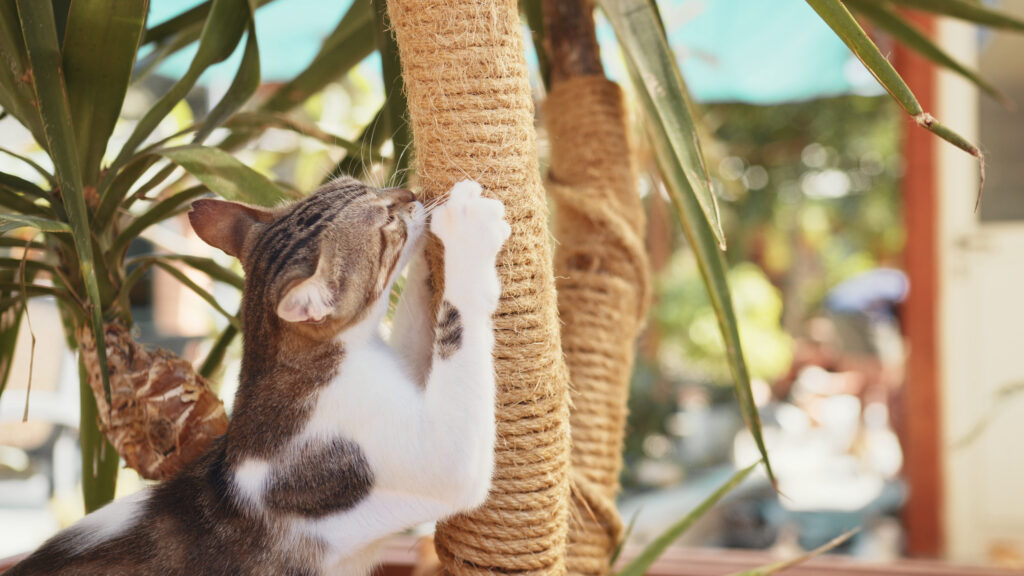
🐾 2. Scratching Furniture (More Than Usual)
A little scratching is normal, but if your cat suddenly starts attacking your couch legs or walls more aggressively, they may be acting out due to a lack of stimulation.
Try this: Provide new scratching posts or rotate locations to spark curiosity.
🐈 3. Increased Meowing or Yowling
A vocal cat might just want attention, but frequent, aimless meowing (especially at night) could be your cat saying, “I’m bored!”
😾 4. Picking Fights with Other Pets
Is your cat suddenly swatting at the dog or bullying your other cat? They might not be angry; they might just be looking for entertainment.
Enrichment can help redirect that pent-up energy.
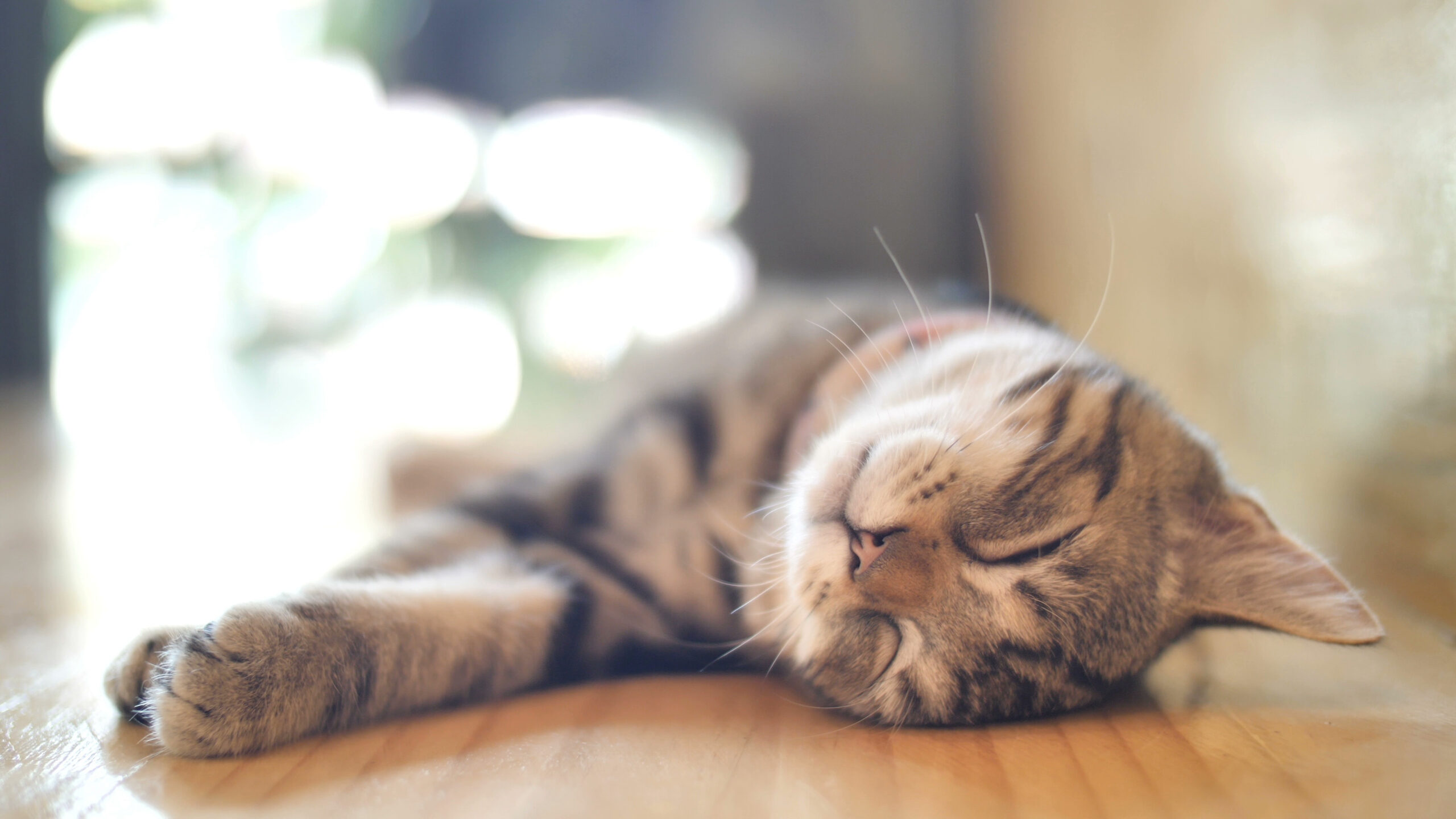
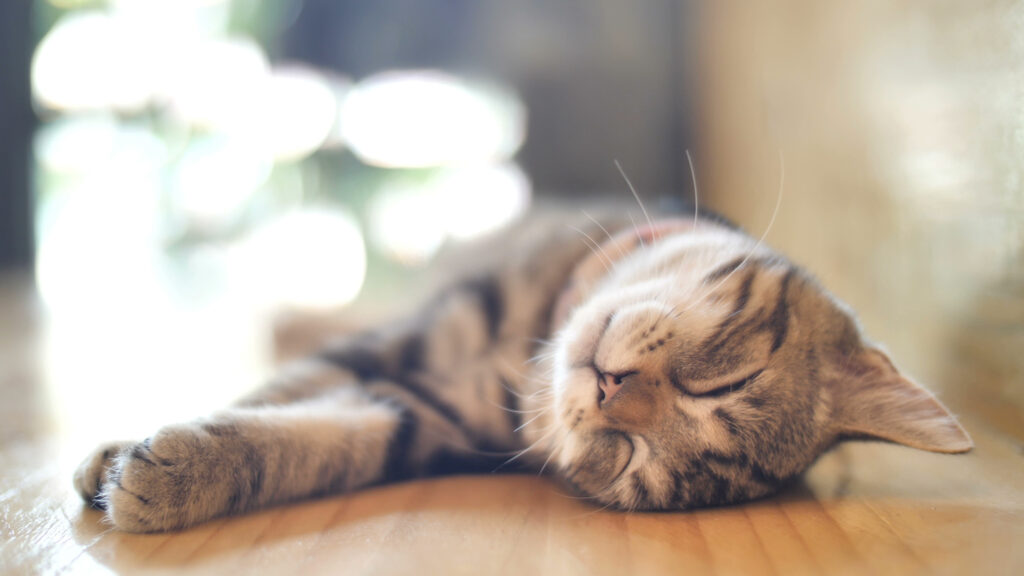
💤 5. Sleeping More Than Usual
Cats sleep a lot, up to 16 hours a day, but if your kitty seems lethargic, disinterested, or spends all their time in one spot, boredom could be the culprit.
🍽️ 6. Eating Out of Boredom (or Not at All)
Some cats overeat when bored, while others lose interest in food entirely. Any sudden change in appetite should be noted, and possibly checked by your vet.
🧹 7. Getting Into Trouble
From knocking things off shelves to chewing on cords, destructive behavior can often be traced back to boredom and lack of stimulation.
Redirect that energy with puzzle feeders or new toys.
👀 8. Staring Out the Window for Hours
It’s cute when your cat bird-watches, but if they’re spending hours glued to the window, it might be a sign they crave more excitement in their indoor world.
A window perch or bird feeder outside can help scratch that itch.
🧶 9. Ignoring Toys Completely
If your cat isn’t interested in toys, it doesn’t mean they hate play—it could mean they’re bored of the same old stuff.
Try rotating toys, introducing new textures, or DIY enrichment activities like treat balls or crinkle tunnels.
🧠 10. They Seem “Off” or Depressed
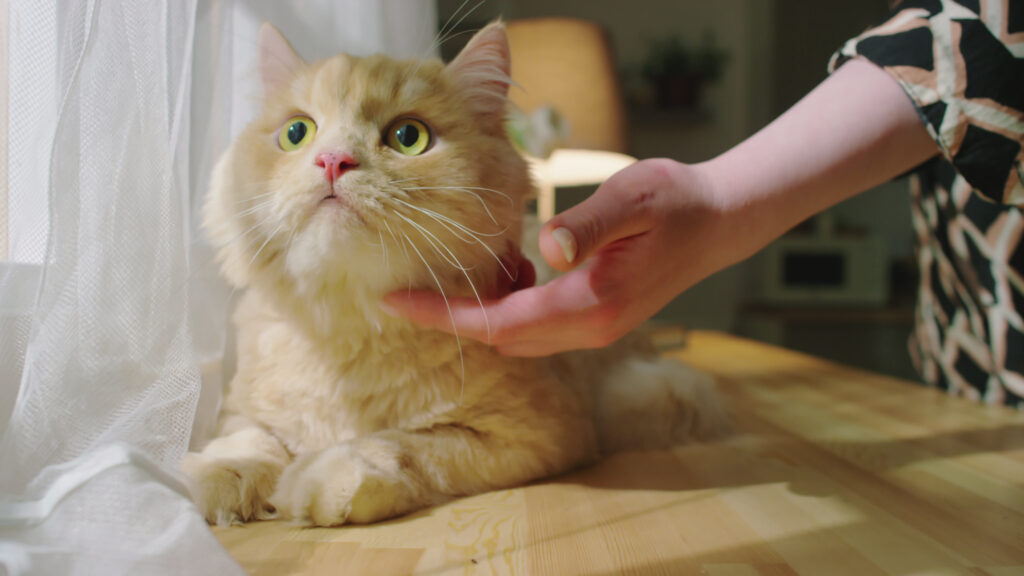
A bored cat may become withdrawn, avoid interaction, or lose interest in things they used to enjoy. It’s easy to mistake this for laziness, but it can be a subtle cry for attention and stimulation.
🧩 What You Can Do to Help
If any of these signs sound familiar, the good news is that you can make small changes that have a big impact:
- Rotate toys weekly
- Use treat-dispensing or interactive feeders
- Add vertical spaces (cat trees, shelves)
- Schedule regular play sessions (laser pointer, wand toys)
- Try puzzle toys made just for cats
- Provide safe outdoor access via a catio or window perch
- Consider adopting a second cat—if your cat is social
Final Thoughts
Cats might not ask for attention the way dogs do, but they still need regular play, stimulation, and engagement. If your cat seems bored, it’s not a reflection on you, it’s just a signal they’re ready for something new in their routine.
Your kitty doesn’t need endless toys or expensive gadgets, just a little daily fun and variety can go a long way toward keeping them happy and healthy.

Leave a Reply